Featured
Table of Contents
Image from: Every UX case research study is a distinct narrative about your venture and previous works.
Personal Privacy Preference CenterWhen you check out websites, they might save or obtain data in your web browser. This storage is frequently required for the fundamental performance of the site. The storage might be used for marketing, analytics, and personalization of the site, such as keeping your preferences. Personal privacy is essential to us, so you have the option of disabling particular kinds of storage that may not be essential for the fundamental functioning of the website.
Marketing networks normally position them with the site operator's authorization. These products enable the website to keep in mind choices you make (such as your user name, language, or the region you are in) and supply enhanced, more individual functions.
This storage type usually doesn't collect details that determines a visitor.
Achieving Peak Value With Modern CRO
The article highlights how UX case research studies reflect tactical style choices that cause quantifiable enhancements in product performance. Each example follows basic UX principles like clearness, consistency, and iteration that use throughout industries. Readers acquire insight into applying approaches from widely known case studies to their own UX challenges, no matter item size or scope.
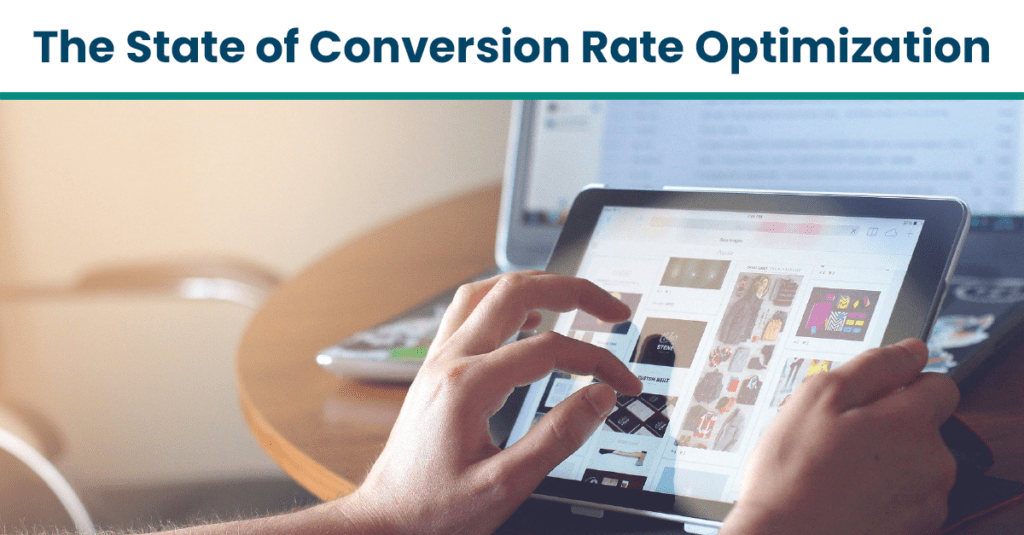
It's how it works, how it guides individuals, and how it makes them feel while using it. UX case study examples are effective due to the fact that they give us a front-row seat to the thinking behind that sort of impact. They show how teams recognized issues, explored user requirements, and made style choices that improved whole product experiences.
At Oddit, we specialize in turning product friction into clearness. Our group dives deep into live user interfaces and discovers the small design choices that lead to big changes.
They assist uncover the thinking behind interface decisions, design changes, and performance tweaks that often result in major enhancements in user experience. In product style, good UX isn't optional. It straight impacts user engagement, fulfillment, and retention. Reviewing well-documented UX case studies provides designers, product supervisors, and creators a behind-the-scenes take a look at how brands change insights into action.
At Oddit, we see the worth of these examples every day. They assist groups determine missed opportunities in their own interfaces and motivate modifications that in fact move the needle. Whether it's a visual hierarchy shift or a copy tweak that reduces bounce, the best case study can alter how you see your own item.
Achieving 40% Much Better Conversion with web developmentModernizing Your Online Brand for AI
The most impactful ones tend to include the following core components: A case study must start with a clear description of the difficulty being resolved. Without this clarity, the rest of the research study lacks direction and context.
This section generally includes methods like user interviews, information analysis, or functionality testing to reveal actionable insights. It signals a thoughtful and intentional style process rooted in evidence. This is where the believing becomes visible. Mockups, wireframes, and interface enhancements need to be directly connected to the problems formerly described. Strong case studies walk the reader through each design option with thinking, not simply visuals.
Whether it's an increase in user engagement, better task completion, or decreased friction, results show the real-world value of the work. The best case research studies finish with a reflection.
Theory is practical, however results speak louder. The following UX case study examples come directly from real brand names that partnered with Oddit to enhance their digital experiences. Every one shows how targeted UX audits and design improvements resulted in quantifiable company results across different industries: Oodie, the popular wearable blanket brand, came to Oddit looking to sharpen their ecommerce experience.
Comparing Paid Search and Natural Growth Tactics
By refining visual hierarchy, streamlining decision points, and optimizing essential interaction areas, Oodie saw a 3 to 5% boost in conversion rate and repaid the expense of the report in just 11 minutes. The result was millions in brand-new regular monthly profits driven by smarter, more deliberate design. Crossnet, the four-way volleyball brand, needed their online store to match the energy of their product.
The structured experience made it simpler for visitors to understand the item and take action, causing a 20% boost in Contribute to Cart rate. It's a clear example of how removing friction, not adding functions, develops real momentum. Fresh Chile Co, a specialized food brand name, had a faithful consumer base however their website wasn't doing them justice.
After executing targeted style changes, the brand experienced a 78% increase in conversion rate and a 271% rise in overall orders. This case study proves that even brand names with strong products can unlock massive growth by repairing the experience around them. Frontend Simplified, an online coding education platform, needed to turn more visitors into registered students.
For education brands, this case study shows how UX directly impacts the bottom line. The audit identified chances in item imagery discussion, trust signals, and the course to purchase.
How Boosting Conversions Accelerates ROI
This case study highlights how quick, focused UX improvements can provide outsized returns in competitive markets like charm. Cleaner Co, a cleaning company business, faced the difficulty of transforming site visitors into booked visits. Oddit's review focused on the reservation flow, page structure, and trust-building components that affect service-based purchases.
It's a strong pointer that UX principles use just as strongly to service businesses as they do to product brand names. Wandering Bear Coffee, a cold brew brand, wanted to enhance the efficiency of their paid acquisition efforts. Oddit developed a high-converting landing page that lined up messaging, visuals, and layout to better match visitor intent.

Latest Posts
SEO Versus PR: Winning Strategies for 2026
Key Marketing Strategy Models for 2026
Why Thought Leadership Builds Market Authority